Beyond Paperwork: How Scanning Tech Simplifies Care for Aging Parents
Imagine starting your day not with stress, but with clarity—knowing your parents’ doctor appointments, medication schedules, and important documents are all in one place, instantly accessible. That’s what happened when I began using simple scanning tools to organize their care. No more crumpled papers, lost forms, or last-minute scrambles. Just peace of mind. This isn’t about fancy tech—it’s about reclaiming time, reducing worry, and staying connected through small, powerful changes that fit seamlessly into real life. If you’ve ever stood in a doctor’s office holding three different pill bottles and a scribbled note, wondering which dose is current, you know how overwhelming elder care can feel. I’ve been there. And what I’ve learned is that sometimes, the smallest tools bring the biggest relief.
The Morning Chaos That Changed Everything
It was a Tuesday like any other—cereal bowls in the sink, coffee half-finished, and my phone buzzing with a call from my mom’s cardiologist. I answered while digging through a kitchen drawer labeled 'Important Papers'—a place that, ironically, held mostly expired insurance forms and birthday cards. My heart sank when I couldn’t find the referral letter they were asking about. I heard the hesitation in the nurse’s voice: 'We really need that before we can proceed.' I apologized, promised to send it later, and hung up feeling like I’d failed—not just as a daughter, but as the person my parents were counting on.
That moment wasn’t isolated. For months, I’d been juggling paper trails: appointment slips tucked into cookbooks, medication lists scribbled on sticky notes, and insurance cards buried in wallets. Every doctor’s visit added more clutter, and every urgent call from a clinic meant a frantic search through folders, drawers, or the glove compartment of my car. The weight wasn’t just physical—it was emotional. I felt disorganized, unprepared, and guilty. My mom noticed. 'You’re always rushing,' she said once, with concern in her eyes. 'I wish I could make this easier for you.'
What I realized in that quiet moment after the call was that the system wasn’t just broken—it never really existed. We were relying on memory, scraps of paper, and good intentions. And while love and care were never in short supply, clarity was. I wanted to show up fully—for appointments, for conversations, for moments that mattered—but I was too busy managing the mess. Something had to change. I didn’t need a miracle. I needed a method. And that’s when I started looking at how simple technology could help me bring order to the chaos.
Discovering a Simpler Way: Scanning as a Lifeline
The idea came from a friend who’d gone through something similar with her dad. Over coffee, she mentioned casually, 'I just scan everything now—prescriptions, letters, even the back of appointment cards. It’s on my phone, so I always have it.' I remember thinking, 'That sounds like something tech people do, not real people like me.' But later that week, after another panicked search for a lab result, I decided to give it a try.
I downloaded a simple document-scanning app—nothing complicated, just something that could turn a photo into a clean, readable PDF. The first thing I scanned was my mom’s updated medication list from her last visit. I held my phone over the paper, snapped a picture, and with one tap, it cropped and sharpened the image. I saved it with her name and the date. It felt underwhelming at first—like organizing a single sock. But then, two days later, her doctor called asking for the exact list of supplements she was taking. Instead of rummaging through a purse or calling my sister, I opened the app, typed 'meds,' and there it was—in seconds. The relief was instant. Not just because I found it quickly, but because I could answer confidently.
That small win changed everything. I started seeing scanning not as a tech chore, but as an act of care. Every document I digitized was a promise to myself: I won’t lose this. I won’t forget. I won’t make my parents wait while I search. The app didn’t judge me for messy handwriting or crumpled paper. It just worked. And slowly, my anxiety around appointments and emergencies began to ease. I wasn’t just storing information—I was building a safety net, one scan at a time.
What Gets Scanned—and Why It Matters
At first, I wasn’t sure what to prioritize. So I asked myself: 'What do I always seem to need but can never find?' The answer became my scanning checklist. Prescription labels were at the top—especially those with dosage instructions and refill dates. How many times had I stood at the pharmacy counter, trying to remember if the dose had changed? Scanning the bottle or the printed label meant I could check anytime, even if the bottle was at my parents’ house and I was across town.
Next were appointment letters and confirmation emails. I’d print them out and scan them right away, saving them with the doctor’s name and date. This was a game-changer during follow-ups. Instead of relying on memory, I could pull up the summary of the last visit and see exactly what the doctor had recommended. I even started scanning the handwritten notes my dad’s neurologist would jot down at the end of appointments—notes that were often hard to read but too important to ignore. With the scanned copy, I could zoom in, share it with my siblings, or email it to another specialist.
Insurance cards and Medicare information were next. I saved clear scans in a secure folder, so if my mom ever needed emergency care while I wasn’t with her, I could forward the details instantly. And I didn’t stop at medical papers. I scanned advance directives, power of attorney documents, and even her living will—things I hoped I’d never need but knew were essential. Having them digitized didn’t make the topics easier to discuss, but it made the logistics less daunting when the time came.
What surprised me most was how these scans became a shared language among my siblings. We used to argue over who had the latest lab results or whether a medication had been discontinued. Now, I’d send a quick link to the scanned file, and everyone was on the same page. It wasn’t just about organization—it was about unity. We were no longer guessing. We were informed, together.
Making It Work for Non-Tech-Savvy Parents
One of my biggest worries was how my parents would react. My mom still uses a flip phone, and my dad refers to the internet as 'the Google machine.' I didn’t want scanning to feel like another chore or, worse, a sign that I didn’t trust them to manage their own care. So I introduced it gently, as part of our routine. After a doctor’s visit, while we were still in the parking lot, I’d say, 'Let me take a quick photo of these papers so I don’t lose them. That way, I won’t have to bug you later with questions.'
They didn’t mind. In fact, they appreciated it. My dad even started handing me papers before I asked. But the real breakthrough came when I started adding voice notes to the scans. After scanning a new prescription, I’d record a short clip: 'This is the new blood pressure medicine—take one in the morning with food. Dad said it made him feel a little dizzy at first, but the doctor said it should pass.' Hearing my own voice, or sometimes even my dad’s, made the digital files feel warm and personal, not cold or impersonal.
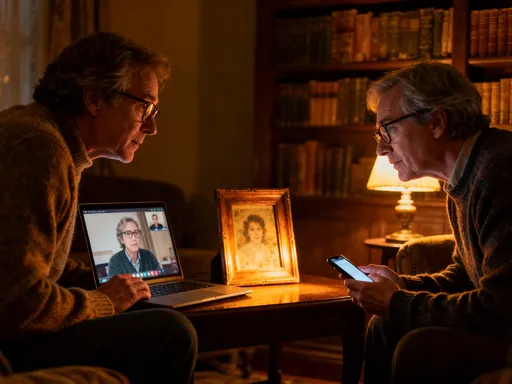
I also printed a single-page guide with large font and simple steps: 'How to Show Your Daughter the Papers.' It had pictures of my phone screen and arrows pointing to the app. I kept a copy on their fridge. And when we video-called, I’d walk my mom through how to hold a document up to the camera so I could scan it remotely. It wasn’t perfect, but it worked. The goal wasn’t to turn them into tech experts—it was to make their lives easier and mine less stressful. And slowly, scanning became just another part of how we cared for each other.
Syncing Schedules Without the Stress
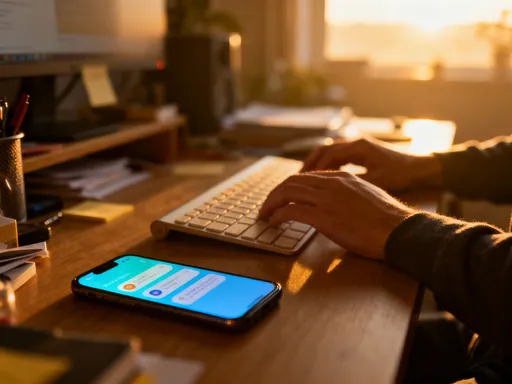
Once the documents were digitized, the next step was syncing our calendars. I used a shared family calendar app—nothing fancy, just one that lets you color-code events and set reminders. Every time I scanned an appointment letter, I added the date to the calendar and attached the scanned file to the event. That way, when the reminder popped up, I could tap it and see all the details: the doctor’s name, location, reason for the visit, and any prep instructions.
This changed how we managed medications, too. I created recurring alerts for daily pills, but I linked them to the scanned prescription so I could double-check the dosage if needed. When my mom started a new medication that required weekly blood tests, I set a reminder two days before each lab date. Once, the alert went off, and I realized she hadn’t scheduled the test yet. I called the clinic that same day and got her in—avoiding a potential delay in treatment. No guilt, no last-minute panic. Just a simple notification that helped me stay ahead.
The best part? My siblings could see the calendar too. No more group texts asking, 'Is Mom’s MRI on Tuesday or Wednesday?' Now, they could check for themselves. And if a doctor changed an appointment, I’d update the calendar, and everyone got the notification automatically. It wasn’t about control—it was about coordination. We were all on the same team, and the technology was just helping us play better together.
Small Habits, Big Peace of Mind
The real secret wasn’t the app or the scanner—it was consistency. I committed to a five-minute rule: within five minutes of leaving a doctor’s office, I’d scan any new documents and file them. Sometimes I did it in the car. Other times, I’d sit with my mom at the kitchen table and go through the papers together. It became a ritual, not a task. And like any good habit, it got easier over time.
I started noticing how much lighter I felt. The mental load of elder care—the constant remembering, the fear of missing something—began to lift. I wasn’t just managing appointments and pills. I was present. I could focus on my mom’s smile, her stories, the way she still teased me about my cooking. The scans didn’t eliminate the challenges of aging, but they removed the noise that made those challenges feel overwhelming.
And here’s what surprised me: my parents noticed the difference too. 'You seem calmer,' my mom said one day. 'You’re not always looking for something.' That meant more than any efficiency hack ever could. Because at the end of the day, this wasn’t about being a perfect caregiver. It was about being a better daughter. And for the first time in years, I felt like I was.
More Than Organization: Staying Close Through Care
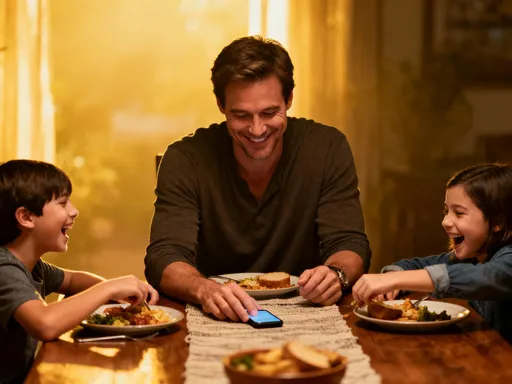
What I didn’t expect was how much closer we became. With less time spent managing paperwork, we had more time for what really mattered—talking, laughing, sitting together in comfortable silence. I wasn’t so focused on the next appointment that I missed the moment right in front of me. Scanning didn’t replace our connection. It protected it.
There’s a photo on my phone I love: it’s me and my dad in his living room, both of us hunched over my tablet, looking at a scanned copy of his MRI report. He’s pointing at something, explaining it in his own words, and I’m listening—really listening. That moment wouldn’t have happened if I’d been stressed about losing the paper or confused about the results. Because I had the scan, I could be fully there. Technology didn’t come between us. It made space for us.
And when we talk about his care now, it’s with clarity, not confusion. We can look at the same document, discuss options, and make decisions together. It’s not me managing his life—it’s us navigating it, side by side. That shift—from chaos to collaboration—has been the most meaningful change of all.
Lighter Days, Stronger Bonds
Looking back, I realize how much energy I used to spend just keeping track. Now, that energy goes elsewhere—into patience, presence, and peace. Scanning didn’t solve every problem of aging, but it gave me something invaluable: the ability to focus on what matters most. It’s not about being high-tech. It’s about being human—about using simple tools to protect the time, attention, and love we give to those who’ve given us so much.
If you’re feeling overwhelmed by the details of caring for an aging parent, I want you to know this: you don’t need a perfect system. You don’t need to master every app or buy the latest gadget. You just need one small step. Start with one document. One scan. One moment of saying, 'I’m going to make this easier.' Because sometimes, the most powerful technology isn’t the one that dazzles—it’s the one that lets you breathe, connect, and care without fear. And in the end, isn’t that what we all want—for ourselves, and for the people we love?