How I Built a Life-Changing Exercise Habit That Actually Sticks
We’ve all been there—starting a workout routine with high hopes, only to quit in weeks. But what if exercise wasn’t a short-term fix, but a natural part of daily life? After years of false starts, I discovered how small, consistent changes create lasting results. This isn’t about intense workouts or willpower—it’s about building a routine that fits your life, not fights it. The truth is, sustainable fitness doesn’t come from extreme measures, but from thoughtful, repeatable habits that grow quietly over time. When movement becomes as ordinary as making coffee or locking the door at night, that’s when real change begins.
The Real Reason Most Exercise Plans Fail
Many people assume that motivation or physical fitness determines whether an exercise plan succeeds. But research in behavioral psychology shows that the real culprit behind failed routines isn’t laziness or lack of desire—it’s poor habit design. Most traditional fitness programs are built on rigid structures: fixed times, specific locations, and demanding durations. While these may work for a short period, they rarely survive the unpredictability of daily life. A sudden work deadline, a sick child, or even a rainy day can derail a tightly scheduled gym session, leading to frustration and abandonment.
The science of habit formation reveals a more reliable path. Habits are shaped by a simple loop: cue, routine, and reward. A cue triggers the behavior, the routine is the action itself, and the reward reinforces the behavior, making it more likely to repeat. For example, someone who always brushes their teeth after dinner does so not because they feel motivated each night, but because the act of finishing dinner (cue) naturally leads to the bathroom (routine), followed by the fresh feeling in their mouth (reward). Exercise can be embedded the same way—but only if it’s designed to fit seamlessly into existing routines.
When exercise feels like an interruption, it’s easy to skip. But when it’s woven into the rhythm of your day—like stretching while waiting for the kettle to boil or doing calf raises while unloading the dishwasher—it stops being a separate task and becomes part of the flow. This integration reduces reliance on motivation, which fluctuates, and increases reliance on structure, which is stable. The goal isn’t to push harder, but to design smarter. By aligning physical activity with natural daily cues, such as waking up, eating meals, or winding down at night, the behavior becomes automatic over time.
Additionally, successful habit formation depends on reducing friction. The more steps required to begin a workout—the drive to the gym, changing clothes, bringing equipment—the less likely it is to happen consistently. Simplicity is key. A habit that takes two minutes is more sustainable than one that takes thirty, even if the shorter version seems too small to matter. Over time, these micro-actions build momentum, creating a foundation for longer or more intense activity when the body and mind are ready. The real measure of success isn’t how hard you push, but how consistently you show up.
Starting Small: Why the Easiest Move Wins
One of the biggest misconceptions about fitness is that it requires dramatic effort. Many people believe they must spend hours at the gym, sweat profusely, or follow complex routines to see results. But evidence from behavioral science and long-term health studies suggests the opposite: the most effective exercise habits start small—so small they feel almost too easy. The idea isn’t to achieve peak performance on day one, but to build a pattern of daily engagement that becomes self-reinforcing.
Consider the example of flossing. Dental professionals don’t recommend starting with every tooth at once for someone who has never flossed. Instead, they suggest beginning with just one tooth. The act is symbolic, but it breaks the barrier of inaction. Once the habit of picking up the floss begins, it naturally expands. The same principle applies to physical activity. Starting with two minutes of stretching, five squats, or a short walk around the house lowers the psychological resistance to beginning. It removes the pressure of performance and replaces it with the satisfaction of completion.
What makes these tiny actions powerful is their consistency. Doing something small every day strengthens the identity of being an active person. Over time, the brain begins to associate you with movement, not as a task, but as part of who you are. This shift in self-perception is critical. People who see themselves as “someone who moves” are more likely to choose stairs over elevators, park farther away, or take a walk after dinner without needing to justify it. The behavior isn’t driven by discipline, but by identity.
Moreover, small habits protect against burnout. Many fitness programs fail because they begin with enthusiasm and end in exhaustion. When people push too hard too soon, their bodies respond with fatigue, soreness, or injury, and their minds respond with resentment. But starting small allows the body to adapt gradually, building strength and endurance without overwhelming it. It also builds confidence. Each day you complete your tiny habit, you reinforce the belief that you can follow through. These small wins accumulate, creating a sense of capability that makes larger efforts feel achievable later on.
Finding Your Natural Movement Rhythm
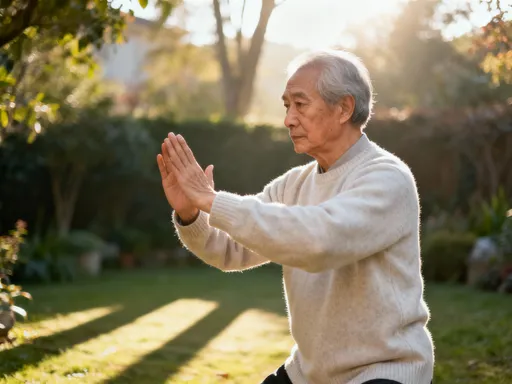
Not all forms of exercise are equally sustainable, and the reason often comes down to enjoyment. The most effective physical activity isn’t necessarily the most intense or trendy—it’s the one you look forward to doing. For some, that might be a brisk walk through the neighborhood. For others, it could be dancing in the kitchen, gardening, or playing with grandchildren. The key is to identify movement that feels natural and rewarding, not forced or punishing.
Enjoyment matters because it influences adherence. A study published in the Journal of Behavioral Medicine found that people who engaged in physical activities they enjoyed were significantly more likely to maintain them over time compared to those who followed structured but unenjoyable routines. When exercise feels like play rather than work, it doesn’t drain energy—it replenishes it. This positive emotional feedback loop makes it easier to return to the activity day after day.
Discovering your preferred form of movement often requires exploration. It’s worth trying different activities to see what resonates. Some people thrive in group settings, where social connection enhances motivation. Others prefer solitude, finding peace in a morning walk or a quiet yoga session. The environment also plays a role. If you live near a park or trail, walking or jogging may feel inviting. If you enjoy music, dancing or aerobic videos at home might be more appealing. The goal is to match your activity to your personality, schedule, and surroundings.
Another way to find your rhythm is to integrate movement into things you already do. Watching television? Try standing or doing light stretches during commercials. Cooking dinner? Add in some gentle twists or shoulder rolls. Commuting? Consider walking part of the way or parking farther from the entrance. These micro-movements may seem insignificant, but they add up over time and help shift the mindset from “I have to exercise” to “I enjoy moving.” When physical activity becomes a natural extension of daily life, it stops being a chore and starts being a source of energy and joy.
The Power of Environmental Design
Willpower is often overrated when it comes to building lasting habits. While self-discipline plays a role, the environment has a far greater influence on behavior. Human beings are highly responsive to cues in their surroundings. A well-designed environment makes the desired behavior easy and the unwanted one harder. In the context of exercise, this means arranging your space so that movement becomes the default choice, not the difficult one.
Simple changes can make a big difference. For example, placing your walking shoes by the front door eliminates the need to search for them, reducing friction. Laying out workout clothes the night before serves as a visual cue, making it more likely you’ll follow through in the morning. Keeping resistance bands or light dumbbells near the couch encourages use during TV time. These small adjustments remove decision-making from the equation, which is crucial because every decision requires mental energy, and that energy is limited, especially after a long day.
Social environment also matters. If your family or friends are active, you’re more likely to be too. Scheduling regular walks with a neighbor or joining a local walking group creates accountability and makes the experience more enjoyable. Even digital cues can help—setting a daily reminder on your phone or using a habit-tracking app provides gentle nudges that keep the behavior top of mind.
Another powerful strategy is habit stacking: linking a new behavior to an existing one. For instance, doing a few squats after brushing your teeth or taking five deep breaths and a stretch after hanging up the phone ties movement to established routines. Over time, the existing habit becomes the trigger for the new one, making it easier to remember and perform. The environment, in this sense, becomes a silent partner in your success—working in the background to support your goals without requiring constant effort or motivation.
Tracking Progress Without Obsession
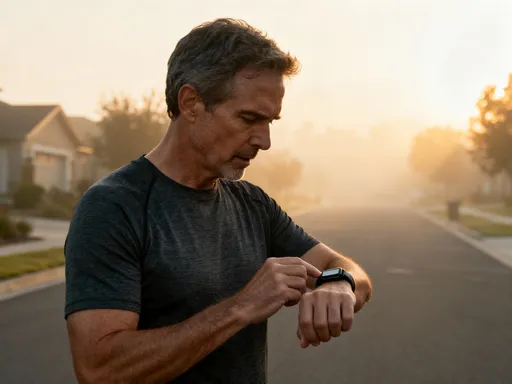
Measuring progress is important for staying motivated, but the way you track matters. Many people focus exclusively on numbers: pounds lost, miles run, calories burned. While these metrics can be useful, they don’t tell the whole story. Overemphasizing them can lead to frustration, especially when the scale doesn’t move or performance plateaus. A more sustainable approach is to track how you feel—your energy levels, sleep quality, mood, and overall sense of well-being.
These internal markers are often more meaningful than external ones. For example, you may not have lost weight, but you notice you can climb stairs without getting winded. You might not be running faster, but you feel calmer and more focused during the day. These improvements reflect real physiological and psychological changes, even if they don’t show up on a scale. Celebrating these non-scale victories reinforces the value of exercise beyond appearance, reminding you that health is multidimensional.
Tracking doesn’t have to be complicated. A simple journal entry at the end of the week—“I felt more alert,” “I slept better,” “I had more patience with my family”—can highlight subtle but important shifts. Mobile apps can also help by logging activity and mood patterns over time, allowing you to see correlations between movement and well-being. The key is to use tracking as a tool for awareness, not judgment.
It’s also important to avoid perfectionism. Missing a day doesn’t erase progress. In fact, occasional breaks are normal and can even be beneficial, giving the body time to recover. The goal isn’t flawless consistency, but long-term adherence. When tracking is done with kindness and curiosity, rather than criticism, it becomes a source of encouragement rather than pressure. This mindset supports resilience and helps you stay committed, even when life gets in the way.
Dealing with Setbacks the Smart Way
No sustainable habit is built without interruptions. Life happens—illness, travel, family obligations, or emotional stress can all disrupt even the most well-planned routine. The difference between those who succeed and those who quit isn’t the absence of setbacks, but the response to them. Resilience isn’t about never failing; it’s about how you recover.
The first step in overcoming a setback is to respond with self-compassion. Beating yourself up for missing a few days of activity only increases stress and makes it harder to restart. Research shows that self-criticism reduces motivation, while self-kindness enhances it. Instead of thinking, “I’ve failed,” try reframing it: “I’m human, and I’m learning.” This mindset shift reduces shame and opens the door to problem-solving.
Next, reflect on what caused the lapse. Was it a change in schedule? A bout of fatigue? A loss of interest? Understanding the root cause allows you to adjust your plan rather than abandon it. Maybe you need to shorten your workouts, change the time of day, or try a different activity. Flexibility is a strength, not a weakness. The most effective exercise habits are adaptable, able to shift with the seasons of life.
Restarting doesn’t require grand gestures. Simply return to your smallest habit—the two-minute stretch, the five squats, the short walk. These tiny actions rebuild momentum without pressure. Each time you restart, you strengthen your commitment. Over time, you develop not just physical fitness, but emotional resilience—the ability to navigate obstacles without losing your way.
Building a Lifestyle, Not Just a Routine
True transformation occurs when exercise stops being something you do and starts being something you are. At first, movement may feel like a task, something you schedule and force yourself to complete. But with time and consistency, it evolves into a natural expression of self-care. You no longer ask, “Should I exercise today?” because the answer is already woven into your identity. You move because it feels good, because it clears your mind, because it connects you to your body.
This shift from discipline to identity is what makes habits last. Discipline is finite—it depletes with use. Identity, on the other hand, is self-reinforcing. When you see yourself as someone who values health and well-being, your choices align with that belief automatically. You don’t need to motivate yourself to brush your teeth; it’s simply what you do. In the same way, regular movement becomes non-negotiable, not because it’s easy, but because it matters.
As this lifestyle takes root, the benefits extend far beyond physical health. You may notice improved focus, greater emotional stability, and a stronger sense of agency. Daily movement becomes a form of quiet empowerment—a way to show up for yourself, day after day. It builds confidence that spills over into other areas of life, from work to relationships to personal goals.
And perhaps most importantly, it becomes joyful. Exercise no longer feels like a punishment for what you ate or a requirement for looking a certain way. Instead, it’s a gift you give yourself—a moment of presence, a chance to breathe, a way to honor your body. This intrinsic motivation is the most powerful force of all. When movement is tied to pleasure and purpose, it doesn’t need to be forced. It flows.
Long-term health isn’t built in a day. It’s shaped by daily choices that add up. An effective exercise program isn’t about perfection—it’s about persistence, patience, and personal fit. When movement becomes a seamless part of life, the results go beyond fitness: they transform how you feel, think, and live. And that’s worth every small step.