How I Kept My Pregnancy Healthy Without Stress – Real Talk from Start to Finish
Pregnancy is a journey no one fully prepares you for. I was scared, excited, and overwhelmed—all at once. What I quickly learned? Staying healthy isn’t just about eating right or avoiding caffeine. It’s about preventing common complications before they start. From prenatal checkups to daily habits, I navigated each step with care, supported by my doctor and real-world choices. This is how I protected my health—and my baby’s—without fear or confusion. The truth is, many risks during pregnancy are manageable when caught early and addressed with consistency. This story isn’t about perfection; it’s about practical, science-backed choices that made a difference every single day.
The Silent Risks: What No One Talks About in Early Pregnancy
One of the most surprising parts of early pregnancy was realizing how much could go unnoticed. Many common conditions don’t come with obvious warning signs, yet they can have serious consequences if left unmanaged. Conditions like gestational diabetes, preeclampsia, and certain infections often develop silently, especially in the first trimester. I remember feeling perfectly fine during those early weeks—tired, yes, but otherwise healthy. That’s why I made it a point to never skip a single prenatal screening, even when I felt nothing was wrong. My doctor explained that early detection isn’t just precautionary—it’s preventive care at its most effective.
Gestational diabetes, for example, typically emerges between weeks 24 and 28, but risk factors can be assessed much earlier. My blood work during the first trimester helped identify baseline glucose levels, allowing us to monitor changes over time. Preeclampsia, a condition marked by high blood pressure and possible organ damage, also begins subtly. Routine urine tests for protein and consistent blood pressure checks became essential tools in catching early red flags. My doctor emphasized that waiting for symptoms like swelling or headaches meant we were already behind—prevention meant staying ahead of those signals.
Infections such as urinary tract infections (UTIs) and bacterial vaginosis are also more common during pregnancy due to hormonal shifts and changes in the urinary tract. Left untreated, they can lead to preterm labor. I learned that even mild discomfort or unusual discharge warranted a call to my provider—not something to brush off as “just part of being pregnant.” Routine urine cultures and vaginal swabs during early visits helped ensure these were caught and treated promptly. I never felt sick, but the tests revealed a low-grade UTI that was easily managed with a safe antibiotic. Without that early screening, it could have escalated.
First-trimester ultrasounds and blood screenings also played a crucial role in my peace of mind. The nuchal translucency scan, combined with blood markers, assessed the risk of chromosomal conditions. While this wasn’t diagnostic, it helped guide next steps and reduce anxiety through informed decision-making. I chose non-invasive prenatal testing (NIPT), which analyzed fetal DNA in my bloodstream. It was reassuring to have more information without invasive procedures. These early diagnostics weren’t about fear—they were about empowerment. Knowing my body and my baby’s development from the start allowed me to take action where needed and focus on wellness, not worry.
Fueling Two Lives: Nutrition That Actually Works (Without Obsession)
Nutrition during pregnancy often feels overwhelming—endless lists of “must-eat” superfoods and “never-touch”禁忌 items. But what worked for me wasn’t perfection; it was balance. I focused on consistent, nutrient-dense meals that supported both my immune system and my baby’s development. The goal wasn’t to eat perfectly, but to eat wisely. Key nutrients like folic acid, iron, calcium, and protein became my foundation. Folic acid, critical in the first trimester, helps prevent neural tube defects. I got it from fortified whole grains, leafy greens, and a prenatal vitamin—no exotic sources required.
Iron supports increased blood volume and prevents anemia, which can lead to fatigue and preterm delivery. I included lean meats, lentils, and spinach in my meals, pairing them with vitamin C-rich foods like oranges or bell peppers to enhance absorption. Calcium, essential for fetal bone development, came from dairy, fortified plant milks, and small portions of canned fish with bones, like salmon. Protein, needed for tissue growth, was incorporated into every meal—eggs at breakfast, beans in lunch salads, grilled chicken or tofu at dinner. I didn’t track grams, but I made sure each meal had a source.
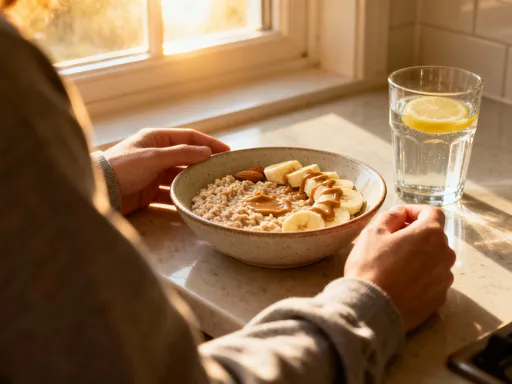
My daily meals were simple and affordable. Breakfast might be oatmeal with banana and a boiled egg. Lunch was a large salad with chickpeas, avocado, and a hard-boiled egg, dressed with olive oil and lemon. Dinner often included brown rice, steamed vegetables, and a lean protein. Snacks were practical: Greek yogurt, apple with peanut butter, or a handful of nuts. I allowed myself occasional treats—dark chocolate, a slice of cake—because denying myself entirely only led to guilt and binging. Moderation, not restriction, kept me nourished and mentally at ease.
Just as important was what I chose to avoid. Foodborne illnesses like listeria and salmonella pose serious risks during pregnancy. I stopped eating unpasteurized cheeses, raw sprouts, undercooked eggs, and deli meats unless they were heated until steaming. I made sure all fruits and vegetables were thoroughly washed. I avoided sushi with raw fish but enjoyed cooked rolls and vegetable options. These weren’t extreme sacrifices—they were informed choices. I also limited caffeine to one small cup of coffee a day, well under the recommended 200 mg limit. By focusing on real, whole foods and minimizing processed items, I supported my body’s ability to fight off infections and maintain stable energy levels throughout the day.
Movement That Feels Good: Safe Exercise for Every Trimester
When I first became pregnant, I worried that any physical activity might harm the baby. But my doctor reassured me that movement—when done safely—was not only safe but protective. Regular physical activity reduces the risk of gestational diabetes, improves circulation, supports healthy weight gain, and even prepares the body for labor. I didn’t aim for intensity; I aimed for consistency. My routine evolved with each trimester, always guided by how I felt and what my OB-GYN approved.
In the first trimester, fatigue was real. I started with daily 20-minute walks, often after meals to help regulate blood sugar. Walking became my anchor—accessible, low-impact, and meditative. As nausea faded in the second trimester, I added prenatal yoga twice a week. These classes focused on gentle stretching, pelvic floor awareness, and breathing techniques. I noticed improved sleep and reduced lower back discomfort. I also began light strength training with resistance bands and small dumbbells, focusing on maintaining muscle tone without strain. My trainer, certified in prenatal fitness, emphasized proper form and avoiding exercises that increased intra-abdominal pressure.
By the third trimester, comfort became my priority. I shortened walks to 15 minutes but increased frequency—morning, afternoon, and evening. Prenatal yoga continued, though I modified poses as my belly grew. I avoided lying flat on my back and skipped any movements that caused dizziness or pelvic pressure. My doctor reminded me that exercise shouldn’t leave me breathless. The “talk test” was my guide—if I could speak in full sentences while moving, I was within a safe range. I also incorporated pelvic tilts and kegel exercises daily to support core stability and prepare for delivery.
There were days I slowed down—and that was okay. A sudden increase in pelvic pain or extreme fatigue told me to rest. I learned to listen to my body without guilt. My OB-GYN reinforced that rest was not failure; it was part of the process. The goal wasn’t to maintain pre-pregnancy fitness levels, but to stay active in ways that supported circulation, mood, and metabolic health. Over time, I saw the benefits: stable energy, fewer leg cramps, and a sense of control over my changing body. Exercise became less about effort and more about honoring what my body was doing.
Rest Is Not Lazy: Sleep, Stress, and Immune Protection
One of the most underestimated aspects of a healthy pregnancy is rest. Sleep isn’t indulgence—it’s biological necessity. Chronic sleep deprivation increases inflammation, disrupts hormone balance, and weakens immune function, all of which can elevate the risk of complications like preterm birth. I quickly realized that pushing through exhaustion wasn’t strength; it was risk. My body was working overtime to grow a human, and it needed recovery. Yet, sleep didn’t come easily. Hormonal changes, frequent urination, and anxiety all interfered.
To improve sleep quality, I established a nighttime routine. I dimmed the lights an hour before bed and stopped using screens—no phones, tablets, or TV. Blue light suppresses melatonin, the hormone that regulates sleep. Instead, I read physical books or practiced gentle breathing exercises. I used a pregnancy pillow to support my hips and belly, which reduced back strain and improved comfort. I also avoided large meals and excessive fluids close to bedtime, which minimized nighttime disruptions. Over time, these small changes added up to more restful nights.
Stress management was equally important. High cortisol levels, the body’s primary stress hormone, have been linked to increased inflammation and preterm labor. I didn’t eliminate stress—life happens—but I learned to manage it. I practiced mindfulness meditation for 10 minutes each morning, focusing on breath and presence. I journaled my thoughts, which helped me process worries instead of ruminating. I also set boundaries at work, delegating tasks and leaving on time when possible. These weren’t luxuries; they were protective measures.
Mental calm became part of my health strategy. I reminded myself that emotional well-being supports physical health. When I felt anxious, I used box breathing: four seconds in, four seconds hold, four seconds out, four seconds hold. This simple technique activated the parasympathetic nervous system, helping me shift from “fight or flight” to “rest and digest.” My doctor confirmed that patients who manage stress effectively often have smoother pregnancies and fewer complications. By prioritizing sleep and emotional regulation, I wasn’t just surviving pregnancy—I was supporting my immune system and creating a calmer environment for my baby’s development.
Infections to Watch: Staying Safe in Everyday Life
Pregnancy alters the immune system to tolerate the growing fetus, but this also makes the body more vulnerable to certain infections. Some, like urinary tract infections (UTIs), are common and treatable. Others, like Group B Streptococcus (GBS) or respiratory viruses, can have serious consequences if not managed. I didn’t live in fear, but I stayed informed. Simple hygiene practices made a significant difference. Handwashing—especially after using the restroom, handling food, or being in public—became second nature. I carried hand sanitizer when soap and water weren’t available.
UTIs were a recurring concern. The anatomy of the urinary tract changes during pregnancy, making it easier for bacteria to travel to the bladder. I stayed hydrated, urinated frequently, and wiped front to back. When I noticed mild burning during urination, I called my doctor immediately. A quick urine test confirmed a mild infection, and I was prescribed a pregnancy-safe antibiotic. Treating it early prevented it from progressing to a kidney infection, which could have triggered preterm labor.
Group B Strep is another critical concern. It’s a common bacteria that many women carry without symptoms, but it can be passed to the baby during delivery. I was screened between 35 and 37 weeks, as standard protocol. If positive, I would receive antibiotics during labor to protect the baby. I trusted this process because it’s evidence-based and widely recommended. I also made informed decisions about prenatal vaccines. I received the flu shot and the Tdap vaccine (for tetanus, diphtheria, and pertussis) during my third trimester. These not only protected me but also passed antibodies to my baby, offering crucial early immunity.
I also adjusted my social habits. During flu season, I avoided crowded places like malls and public transit when possible. I asked visitors to wash their hands before holding my newborn after birth, though that was a later concern. During pregnancy, I minimized close contact with anyone who was sick. These weren’t extreme measures—they were practical steps grounded in medical guidance. When I developed a persistent cough, I didn’t wait. I contacted my provider, who ruled out serious infection but recommended rest and hydration. Acting early likely prevented a more severe illness. Staying infection-aware wasn’t about isolation—it was about smart, science-backed protection.
The Power of Checkups: Why Consistency Beats Crisis Care
Regular prenatal visits were the backbone of my healthy pregnancy. They weren’t just routine—they were opportunities to catch small changes before they became problems. Each appointment included blood pressure checks, urine tests, fetal heart rate monitoring, and growth assessments. These simple measures provided a continuous picture of my health and my baby’s development. I never skipped a visit, even when I felt fine. My doctor explained that many complications develop gradually, and consistency in monitoring is what allows for early intervention.
Blood pressure tracking was especially important. A sudden rise could signal preeclampsia, a condition that affects about 5% of pregnancies and can lead to serious complications if untreated. At every visit, my blood pressure was recorded. When it trended slightly higher at 32 weeks, my doctor ordered additional urine tests and more frequent monitoring. It turned out to be mild gestational hypertension, managed with rest and close observation. Because we caught it early, I avoided more serious outcomes. Urine tests also checked for protein and glucose, offering early clues about kidney function and blood sugar control.
I built a strong relationship with my care team. I wrote down questions before each visit—about test results, symptoms, or concerns. I wasn’t afraid to ask for clarification. My doctor welcomed questions and took time to explain findings. This partnership made me feel seen and supported. I also tracked my own symptoms at home—when I noticed increased swelling in my hands and face, I mentioned it immediately. It wasn’t preeclampsia, but the fact that I spoke up reinforced the importance of communication.
Ultrasounds at key milestones—around 8, 20, and 32 weeks—provided visual reassurance. The anatomy scan at 20 weeks was especially meaningful, confirming that all major organs were developing normally. These visits weren’t just medical—they were emotional touchpoints. Seeing the baby’s heartbeat, hearing the rhythm, and discussing progress helped me stay connected and informed. Consistency in care didn’t guarantee a perfect pregnancy, but it gave me the best chance for a healthy one. It turned fear into action and uncertainty into understanding.
Support Systems That Heal: Environment, Relationships, and Boundaries
Physical health doesn’t exist in isolation. Emotional and social well-being are deeply intertwined with pregnancy outcomes. Chronic stress, conflict, and isolation can elevate cortisol and inflammation, increasing the risk of complications. I made it a priority to cultivate a supportive environment. This meant setting boundaries—with family, work, and even well-meaning friends. I learned to say no to extra responsibilities, late gatherings, and draining conversations. Protecting my energy wasn’t selfish; it was necessary for my health and my baby’s.
My partner was my primary support. He attended appointments, learned about nutrition and warning signs, and took on more household tasks. His presence reduced my stress and made me feel less alone. I also leaned on close friends who had been through pregnancy. Their real-world advice—what helped with nausea, which maternity clothes were practical, how to handle unsolicited opinions—was invaluable. I joined a prenatal support group, both in person and online, where I could share experiences without judgment.
Workplace support mattered too. I spoke with my manager early about my needs—flexible hours, the ability to rest when fatigued, and reduced travel. My employer accommodated these requests, which reduced daily stress. I also distanced myself from negative influences—people who dismissed my concerns or made me feel guilty for resting. I protected my mental space as fiercely as I protected my physical health.
The people who showed up made a tangible difference. A friend brought meals during a bout of severe morning sickness. My sister helped organize my maternity leave paperwork. These acts of care reduced my cognitive load and allowed me to focus on healing and growth. Research shows that strong social support is linked to lower rates of preterm birth and postpartum depression. For me, it wasn’t just data—it was lived experience. A supportive network became a form of disease prevention, reducing stress and reinforcing healthy behaviors. I wasn’t doing it all alone, and that made all the difference.
Looking back, my pregnancy wasn’t perfect—but it was protected. By focusing on prevention, staying informed, and partnering with my healthcare team, I gave myself the best shot at a healthy journey. It wasn’t about being flawless; it was about being consistent, aware, and kind to myself. Every choice, big or small, added up. To every expecting mom: you don’t need to do it all—just do what protects you, one day at a time.