How I Finally Got Serious About My Health — And What Changed Everything
For years, I ignored the small signs my body was sending — low energy, restless sleep, constant stress. It wasn’t until I started actually watching my health, not just guessing, that things shifted. Tracking simple metrics and building a realistic exercise plan helped me feel stronger, sharper, and more in control. This isn’t about extreme workouts or perfect habits — it’s about consistent, mindful choices that add up. If you’ve ever felt stuck in your routine, this journey might just inspire your own breakthrough.
The Wake-Up Call: When Ignoring Health Stops Being an Option
Many people, especially women in their 30s to 50s, carry the weight of multiple responsibilities — managing households, supporting families, often putting their own well-being at the bottom of the list. For a long time, this was true for me. I told myself I was fine because I wasn’t sick. I could still get through the day, even if it meant relying on coffee by mid-morning and collapsing on the couch by 8 p.m. But fine isn’t thriving. Fine is often just the quiet hum of decline, unnoticed until it becomes impossible to ignore.
The turning point came during a routine check-up. My doctor mentioned elevated blood pressure and suggested I pay closer attention to my lifestyle. That conversation didn’t shock me — but it unsettled me. I wasn’t experiencing pain or illness, yet my body was already signaling imbalance. I began to reflect on the subtle symptoms I had dismissed: waking up tired despite eight hours in bed, struggling to focus during the day, feeling irritable over small things. These weren’t just signs of a busy life — they were early warnings of chronic stress and poor metabolic health.
What changed was not a sudden crisis, but a shift in awareness. I realized that waiting for a diagnosis to act was a gamble I no longer wanted to take. Health isn’t just the absence of disease; it’s the presence of energy, resilience, and clarity. The first real step toward improvement wasn’t a new diet or workout — it was the decision to stop guessing and start observing. Once I began paying attention, the path forward became clearer, not because it was easy, but because it was real.
Why Tracking Beats Guessing: The Power of Real Data
Most of us rely on how we feel to judge our health. But feelings are unreliable. On a stressful day, even good sleep can feel insufficient. On a good day, poor habits might seem harmless. This subjectivity creates a false sense of control — we think we know our bodies, but we’re often misled by mood, environment, or temporary energy boosts. The moment I started tracking objective data, I saw a different picture.
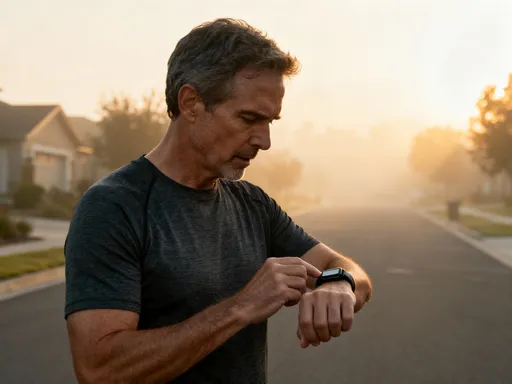
One of the first metrics I monitored was sleep quality. I thought I was sleeping well, but my wearable device showed I was waking up multiple times per night, often during deep sleep cycles. My resting heart rate, another key indicator, was consistently higher than the normal range for my age. And my daily step count averaged just over 3,000 — less than half the recommended amount. These numbers weren’t judgments; they were facts. And facts don’t lie.
Seeing this data was both humbling and empowering. It removed the guesswork and replaced it with clarity. I wasn’t lazy or weak — I was under-recovered and under-moved. The psychological impact of this shift was profound. Instead of feeling guilty for not having more energy, I felt motivated to make changes that would actually help. Tracking created a feedback loop: small improvements in behavior led to measurable changes in data, which in turn fueled more positive choices. This isn’t about obsession — it’s about alignment. When your actions match your goals, progress becomes visible, and motivation becomes sustainable.
Choosing the Right Tools Without Overcomplicating It
When I first looked into health tracking, I was overwhelmed by options. Smartwatches, fitness bands, sleep monitors, mobile apps, journals, scales with body composition analysis — the list seemed endless. I worried I’d need to become a tech expert just to understand my own health. But what I learned is that simplicity is more effective than sophistication. The best tools are the ones you’ll actually use, consistently and without frustration.
I started with a basic fitness tracker that measured steps, sleep, and heart rate. It didn’t have every feature, but it gave me the three metrics I cared about most. I paired it with a simple notebook where I recorded how I felt each morning — energy level, mood, any physical discomfort. This combination of digital and analog tracking worked better than any high-end device could have. The key was consistency, not complexity.
Many people fall into the trap of data overload — tracking ten metrics but understanding none of them. I avoided this by focusing on just two or three indicators at a time. For the first month, I only looked at sleep duration and step count. Once those stabilized, I added resting heart rate. This gradual approach prevented burnout and made it easier to spot patterns. For example, I noticed that on days when I walked more than 7,000 steps, my sleep improved significantly. These insights weren’t obvious before, but with focused tracking, they became clear.
The right tool doesn’t have to be expensive or advanced. A pedometer, a journal, or even a free mobile app can provide valuable information. What matters is that it fits your lifestyle. If you forget to wear a device, it’s not the right one for you. If checking your data feels like a chore, simplify. Health tracking should feel like a conversation with yourself, not a test you’re afraid to fail.
Building an Exercise Plan That Actually Sticks
Most people fail at exercise not because they lack willpower, but because their plans are unrealistic. They start with hour-long workouts six days a week, only to burn out by week three. I’ve been there — signing up for intense programs, pushing myself to the point of exhaustion, then quitting when life got busy. The problem wasn’t my effort; it was my approach. I was treating exercise like a punishment, not a practice.
What changed was designing a plan based on my actual life, not an idealized version of it. I asked myself three questions: How much time do I realistically have? When do I have the most energy? What kinds of movement do I actually enjoy? The answers were simple: 20–30 minutes most days, mornings work best, and I prefer walking and light strength training over high-intensity workouts. So that’s what I built my routine around.
I started with three 20-minute walks per week, gradually increasing to five. I added two short strength sessions using resistance bands and bodyweight exercises — things I could do at home without equipment. I didn’t aim for perfection. If I missed a day, I didn’t restart or punish myself. I just returned to the plan the next day. This flexibility made all the difference. Over time, these small efforts compounded. I didn’t just get stronger — I got more consistent.
Research shows that consistency is a stronger predictor of long-term success than intensity. A moderate, sustainable routine done regularly is more effective than an extreme one done briefly. This doesn’t mean avoiding challenge — it means building a foundation first. For women managing busy households, this approach is not just practical; it’s essential. Exercise shouldn’t add stress. It should restore balance.
Matching Movement to Metrics: How Exercise Impacts What You Track
One of the most rewarding parts of this journey was seeing how exercise directly improved the metrics I cared about. After four weeks of regular walking and strength training, my resting heart rate dropped by five beats per minute. My sleep efficiency — the percentage of time in bed actually spent sleeping — increased from 82% to 91%. I also noticed fewer nighttime awakenings and faster recovery after busy days.
These changes weren’t just numbers — they translated into real-life benefits. I had more energy to play with my children, stay present during conversations, and handle daily tasks without feeling drained. My mood stabilized, and I felt more resilient in the face of stress. What surprised me most was how quickly these improvements appeared. I didn’t need months of effort to see results. Within weeks, my body responded to the increased movement with measurable, positive changes.
This feedback loop became a powerful motivator. Instead of exercising to lose weight or change my appearance, I did it to feel better — and the data confirmed it was working. On days when I skipped movement, I noticed the difference: higher heart rate, poorer sleep, lower energy. This wasn’t about guilt — it was about awareness. My body was telling me what it needed, and I was finally listening.
Tracking also helped me adjust my routine based on how I was feeling. If my heart rate was elevated in the morning, I’d opt for a gentle walk instead of strength training. If I’d had a poor night’s sleep, I’d focus on stretching and mobility. This responsiveness made exercise feel supportive, not rigid. It became less about sticking to a plan and more about honoring my body’s signals.
Mindset Shifts That Make All the Difference
Perhaps the most transformative part of this journey wasn’t the exercise or the tracking — it was the shift in mindset. I had to let go of the idea that health was about punishment, discipline, or achieving a certain look. Instead, I began to see it as an act of self-care, a daily promise to show up for myself with kindness and intention.
This change didn’t happen overnight. I had to reframe my thinking. Instead of asking, “Did I do enough today?” I started asking, “Did I listen to my body?” Instead of measuring success by how hard I pushed, I measured it by how well I recovered. I celebrated non-scale victories — better sleep, more stable moods, climbing stairs without getting winded. These moments, small as they seemed, built confidence and reinforced positive habits.
Self-awareness became my greatest tool. By tracking my health, I developed a deeper connection with my body. I learned to distinguish between true fatigue and temporary discomfort. I recognized when stress was affecting my physical state. This awareness created accountability — not the kind that feels heavy or judgmental, but the kind that feels empowering. I wasn’t being watched by anyone else; I was watching myself with care.
Over time, this mindset made healthy choices feel less like sacrifices and more like natural extensions of who I wanted to be. I wasn’t forcing myself to walk — I was choosing to move because it made me feel alive. I wasn’t tracking sleep to meet a goal — I was protecting my rest because I valued how it made me feel the next day. This shift from external motivation to internal alignment is what makes change last.
Putting It All Together: A Simple, Daily Framework for Health
Today, my health routine is simple but intentional. Each morning, I check my resting heart rate and note how I feel — energy level, mood, any aches or stiffness. This takes less than two minutes but sets the tone for the day. If my heart rate is high or I feel tired, I adjust my plans — maybe a shorter walk, maybe extra hydration, maybe just a few minutes of deep breathing.
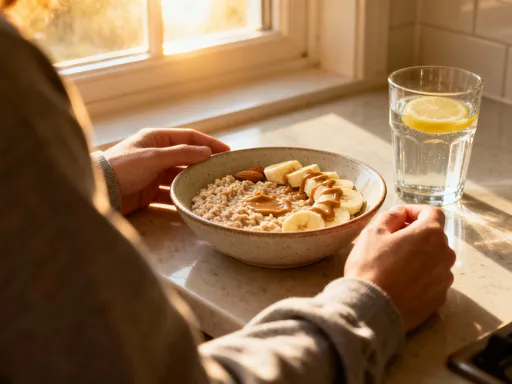
Most days, I start with a 20- to 30-minute walk, either before breakfast or during a break. I don’t need special gear or a gym — just comfortable shoes. Two or three times a week, I add a strength session using resistance bands or light dumbbells. These workouts are short — 15 to 20 minutes — and focus on functional movements like squats, lunges, and upper-body presses. I’ve found that short, consistent efforts are more sustainable than long, infrequent ones.
In the evening, I review my step count and sleep goal. I aim for 7,000 to 8,000 steps and at least seven hours of sleep. If I’m short on steps, I’ll take a short walk after dinner. Before bed, I jot down one thing I did well that day for my health — whether it was moving, resting, or making a mindful food choice. This small ritual reinforces progress and builds self-trust.
Life isn’t always predictable. There are days when illness, travel, or family needs disrupt the routine. On those days, I practice flexibility. I might skip tracking or reduce my activity, but I don’t abandon the framework. I return when I can. This flexibility prevents the all-or-nothing thinking that derails so many people. Health isn’t a rigid rule — it’s a living practice.
Looking back, what changed everything wasn’t a single action, but a series of small, consistent choices. I stopped waiting for motivation and started building systems. I stopped chasing perfection and started valuing progress. I stopped ignoring my body and started listening.
True health isn’t about drastic transformations or chasing ideals — it’s about showing up for yourself daily with intention and awareness. By combining mindful exercise with simple tracking, you gain clarity, motivation, and control. This approach isn’t flashy, but it’s proven, sustainable, and deeply personal. The goal isn’t perfection — it’s progress, one honest choice at a time.